
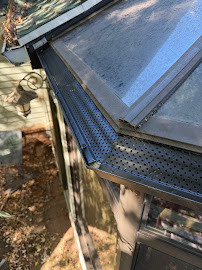
Homeowners in Toledo face unique weather conditions that make gutter performance even more important. Between Lake Erie-influenced storms, intense seasonal rainfall, heavy snowfall, and neighborhoods filled with mature trees, gutters work hard year-round in Toledo; when they fail, it can prove disastrously expensive.
As such, homeowners often ask themselves the practical question: Are gutter guards worth it for heavy rainfall in Toledo? For most properties surrounded by oak, maple, or pine trees, the answer is yes if the right system is chosen and installed appropriately.
This article investigates why gutter guards work so well in Toledo’s climate, including which types work best and potential pitfalls to consider before investing.
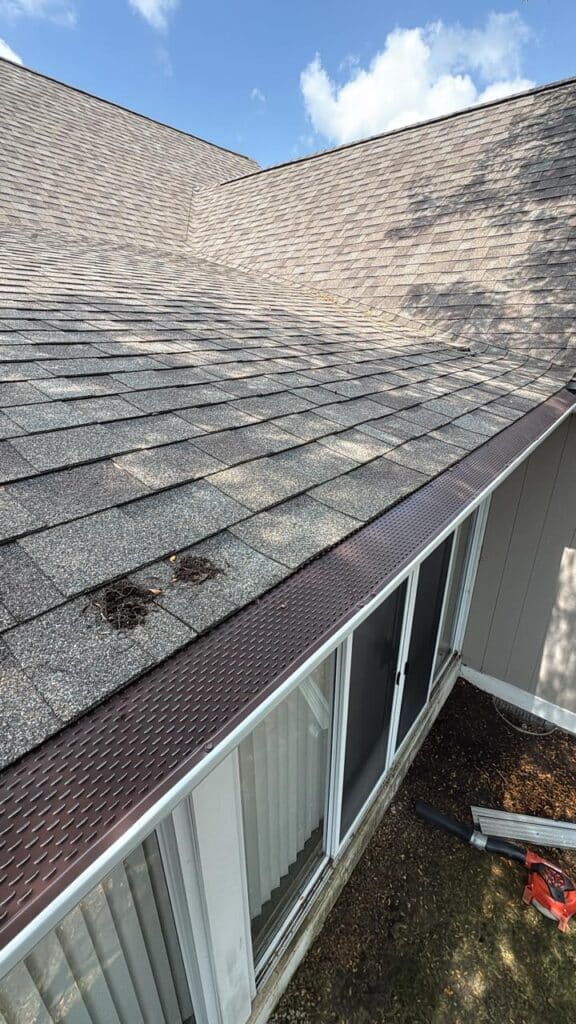
Toledo’s Climate and Why Gutters Are Under Stress
Toledo averages over 35 inches of precipitation annually, including significant snowfall and freeze-thaw cycles. Due to proximity to Lake Erie, rain events often intensify rapidly, causing sudden downpours that overflow poorly maintained gutters.
Add to that the city’s abundant tree canopy. Large deciduous trees in many neighborhoods produce leaves, twigs, seeds, and “maple helicopters,” which easily clog gutters during heavy rainstorms, causing them to overflow into streets rather than flow safely through downspouts. Even partial obstructions can cause rainwater to spill over gutter edges rather than flow safely through downspouts.
Overflowing gutters don’t just create an eyesore; they can also damage a home’s foundation, erode soil, harm landscaping, and cause basement moisture problems.
Why Gutter Guards Work Well for Heavy Rain in Toledo
Preventing Clog-Related Overflow
Gutter guards provide one clear benefit: they prevent debris from entering the gutter channel. With clear gutters, rainwater can flow quickly toward downspouts instead of pooling and spilling over.
Gutter guards provide an effective way to mitigate this risk by keeping out leaves, seeds, and debris that might accumulate in your system, such as shingle grit.
Managing High Water Volume When Properly Chosen
Not all gutter guards perform equally during heavy rainfall. Premium systems—particularly fine-mesh designs — are specifically engineered to manage high volumes of water while simultaneously blocking very small debris, something particularly essential in Toledo, where storms often deliver torrents of precipitation in short bursts.
Lower-quality guards may struggle under these conditions, while premium designs allow water to pass quickly through without compromising debris protection.
Protecting Foundations and Landscaping
Gutter overflow during storms often sends water cascading directly toward the foundation, leading to soil erosion, foundation cracks, and, over time, water intrusion into basements.
Gutter guards help maintain consistent water flow even during heavy downpours, diverting excess rain away from homes while protecting structural integrity and landscape beds that might otherwise become waterlogged.
Reducing Maintenance and Safety Risks
Gutter cleaning in dense, treed areas can become an often-hazardous chore, necessitating multiple ladder climbs each year to clean gutters—sometimes after storms — presenting real safety risks.
Gutter guards significantly reduce the frequency of gutter maintenance, often requiring inspection or cleaning only once or twice annually (from ground level or with minimal ladder use). While no system can ever be completely maintenance-free, many homeowners find they only require light inspection or cleaning once every year or two – often from ground level without needing ladder access.
Best Types of Gutter Guards for Toledo Homes
Micro-Mesh Systems
Micro-mesh gutter guards are often considered the ideal solution for heavy rainfall environments. These systems employ finely woven metal mesh that allows water to pass through while simultaneously blocking debris such as pine needles, seeds, and roof grit.
Toledo homeowners battling dense tree debris and intense rainfall events often benefit from micro-mesh systems, which offer an optimal balance of flow capacity and filtration.
Reverse Curve (Surface Tension) Guards
Reverse curve guards utilize surface tension to guide rainwater into the gutter, while debris, such as leaves, is carried off the edges by surface tension. When properly designed and installed, reverse curve guards can effectively shed heavy rainfall while clearing away large particles.
Installation must be carried out correctly to prevent water from overshooting the gutter during intense storms and bypassing the system entirely.
Gutter Guard Types to Avoid in Heavy Rain Areas
Foam inserts and brush-style guards are generally not recommended for Toledo’s climate. While they may initially block large debris, they tend to absorb water, become saturated, and slow drainage.
In heavy rain, these systems can actually contribute to overflow rather than prevent it. They also trap fine debris and organic material, which can break down over time and create hidden clogs.
Installation Quality Matters More Than Many Homeowners Realize
Even the best gutter guard will fail if installed incorrectly. Poor pitch, improper fastening, or misalignment with roof shingles can cause water to bypass the gutter entirely during heavy rain.
Professional installation ensures the system integrates correctly with the roofline, maintains proper slope, and accounts for Toledo’s specific weather conditions. In many cases, installation quality determines whether gutter guards solve overflow issues or create new ones.
Cost vs. Long-Term Value
High-quality gutter guards represent a significant upfront investment. However, when factoring in the cost of repeated professional cleanings, potential water-damage repairs, and the time and risk associated with DIY maintenance, many homeowners find the system pays for itself within 2 to 5 years.
For homes in tree-dense areas or neighborhoods with older housing stock, the long-term protection often outweighs the initial expense.
Neighborhoods Where Gutter Guards Make the Most Sense
Areas with mature trees and historic homes tend to benefit most from gutter guards. Tree-lined neighborhoods such as Ottawa Hills and Old West End often experience heavy leaf buildup that can quickly overwhelm unprotected gutters during storms.
In these settings, gutter guards are less a luxury and more a preventive measure.
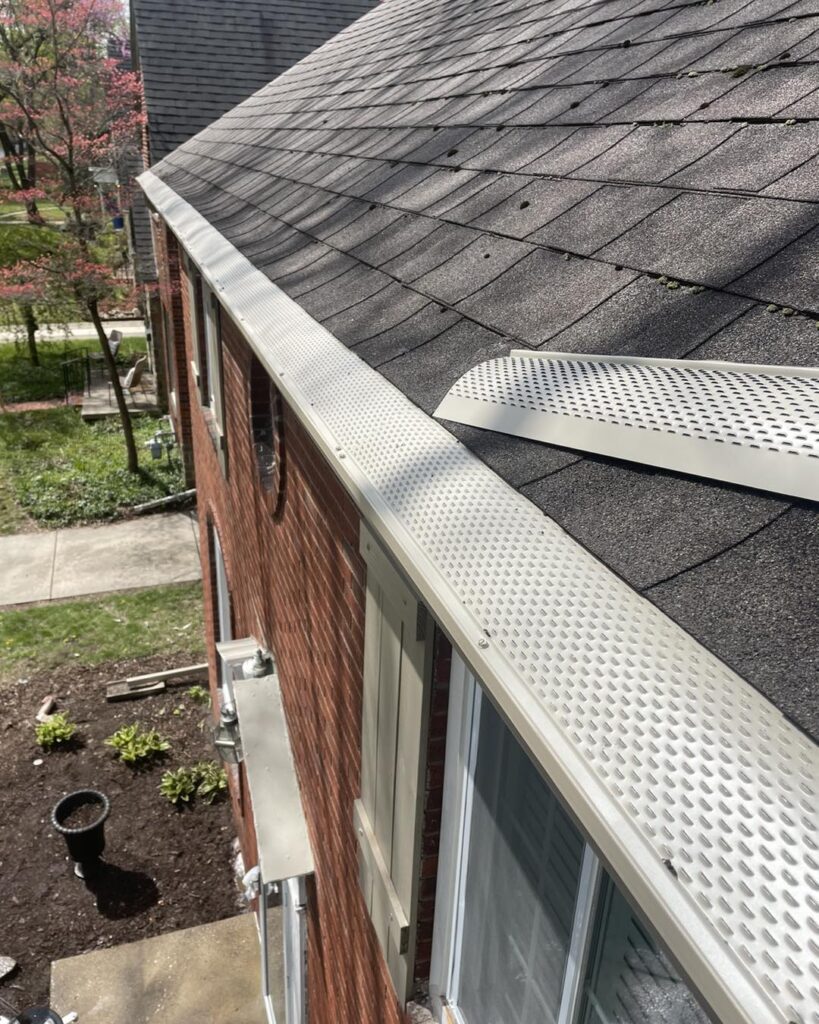
Conclusion:
For most Toledo homeowners—especially those dealing with heavy rain, snow, and abundant tree debris—high-quality gutter guards are a sound investment. When properly selected and professionally installed, they reduce clogging, manage high water volumes, protect foundations, and significantly reduce dangerous maintenance tasks.
While they are not completely maintenance-free, the reduced effort and added protection make them a practical solution for Toledo’s demanding climate.
Protect Your Toledo Home Before the Next Heavy Storm
Gutter Monkey provides homeowners in Toledo with professionally installed gutter guard systems designed for high rainfall volumes, helping prevent basement moisture, soil erosion, and costly storm-related repairs. Don’t wait until heavy rain exposes weaknesses in your drainage system—book an appointment with Gutter Monkey today to protect your home. Don’t wait until heavy rain reveals weak points in your drainage system – book an appointment now with Gutter Monkey today to secure your home from heavy rainfall damage.
Frequently Asked Questions
Yes, premium gutter guards designed for high water flow perform well in heavy rain when properly installed.
No. They greatly reduce cleaning frequency, but occasional inspection and light maintenance are still recommended.
Yes. Many high-quality systems are designed to withstand snow loads and freeze-thaw cycles common in northwest Ohio.
They help reduce one major cause—overflow near the foundation—but overall drainage and grading also play important roles.
Durable metal systems can last decades with proper installation and minimal maintenance.