
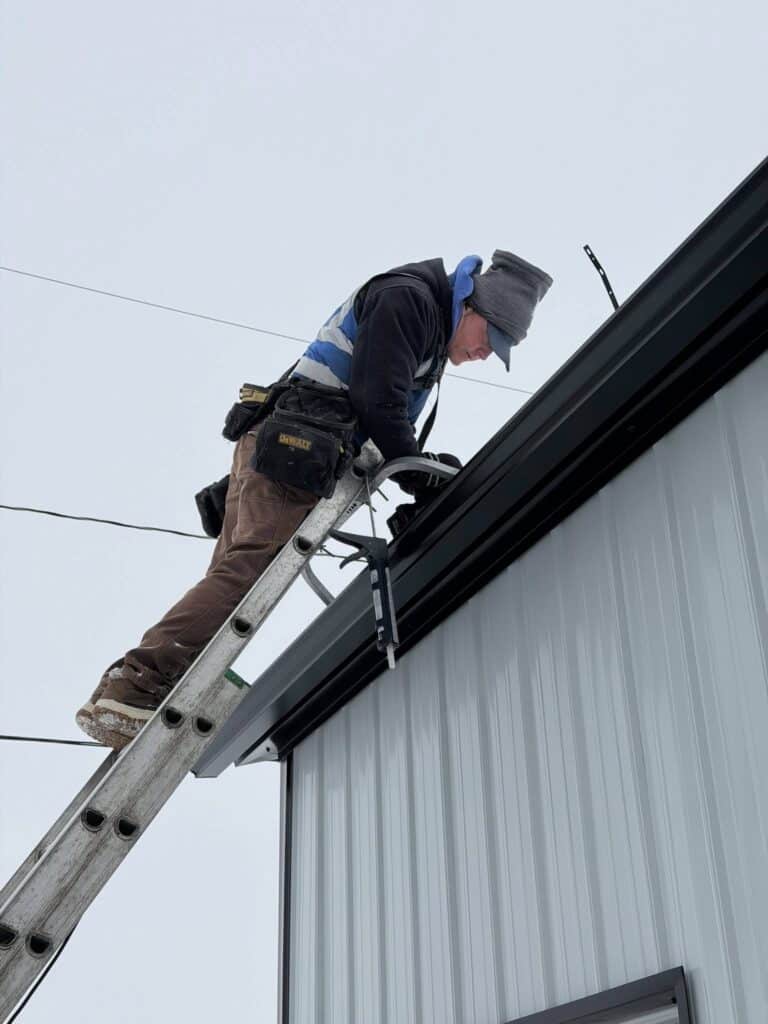
Gutter installation plays a vital role in improving drainage throughout neighborhoods in Indiana. With seasonal heavy rainfall, winter snow accumulation, and spring thaw, homes across the state are exposed to significant moisture year-round. Without an effective gutter system, water can pool around foundations, erode landscaping, and create long-term structural concerns.
Properly installed gutters and downspout extensions channel water safely away from homes, reducing the risks associated with Indiana’s fluctuating seasonal weather patterns. Below is a closer look at how professional gutter installation enhances drainage efficiency and protects residential properties.
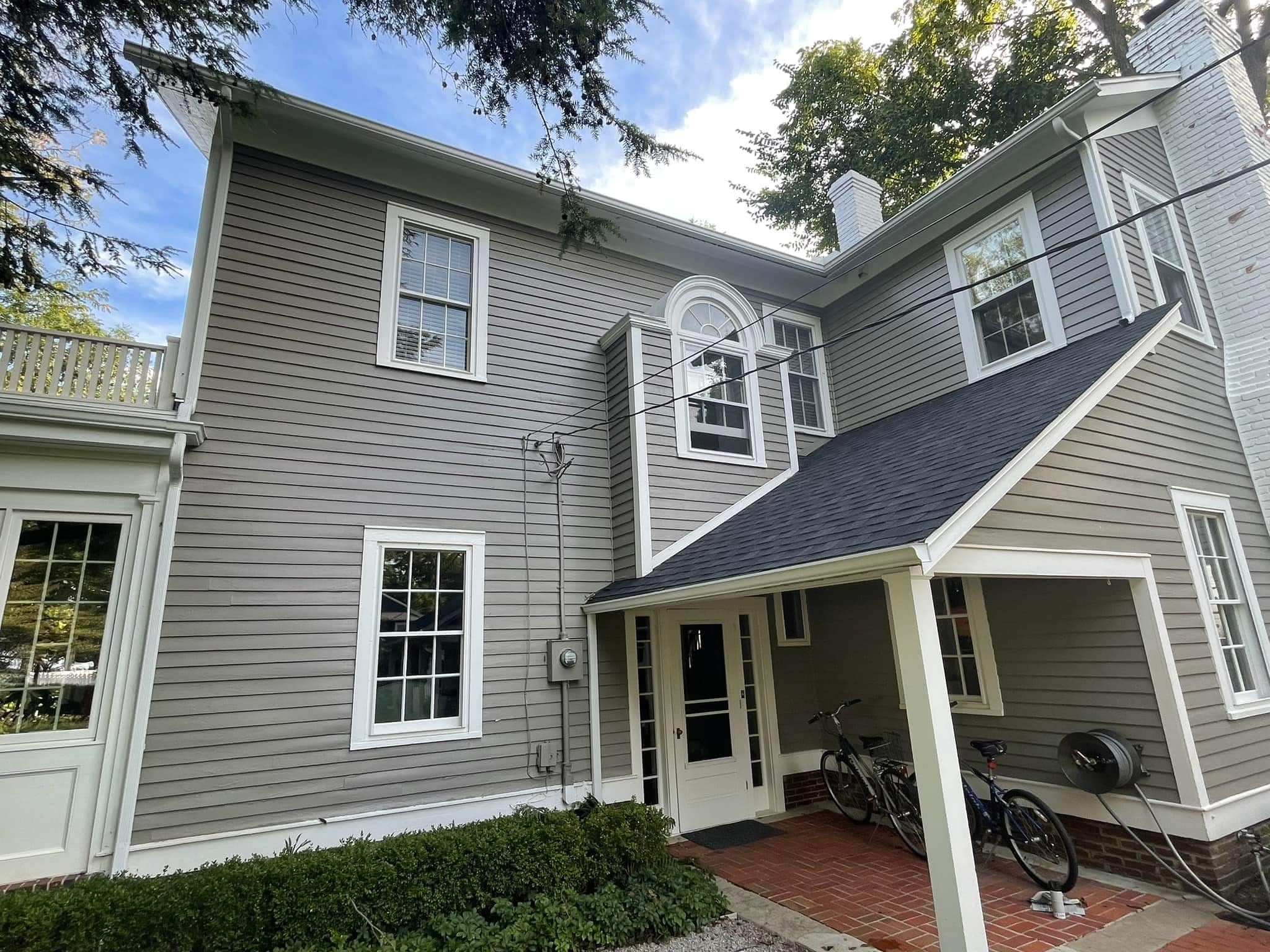
Why Drainage Matters in Indiana
Indiana’s climate includes:
- Spring and summer rainstorms
- Autumn leaf buildup
- Winter snowfall and freeze–thaw cycles
These conditions create repeated moisture exposure around homes. When rainwater or melting snow is not properly directed away, it can accumulate near foundations and seep into basements or crawlspaces.
Effective drainage is not just about convenience—it is essential for preserving structural integrity and preventing costly repairs.
Foundation Protection
One of the most important benefits of gutter installation is foundation protection.
Preventing Water Pooling
Without gutters, roof runoff falls directly around the home’s perimeter. Over time, this concentrated flow can saturate soil and create pooling near the foundation.
This may lead to:
- Basement seepage
- Foundation cracks
- Mold growth
- Structural weakening
Gutters channel water into downspouts, which move it away from the base of the structure, reducing pressure on foundation walls.
Supporting Soil Stability
Indiana’s freeze–thaw cycles can cause saturated soil to expand and contract. By minimizing excess moisture around the home, gutters help maintain more stable soil conditions and reduce stress on foundation materials.
Preventing Landscaping and Soil Erosion
Uncontrolled runoff can wash away soil, mulch, and plants.
Protecting Garden Beds and Lawns
When water pours directly from the roof edge, it can:
- Displace topsoil
- Damage flowerbeds
- Create uneven ground
Gutters help distribute water more evenly and prevent concentrated streams that erode landscaping.
Preserving Hardscaping
Driveways, patios, and walkways can also suffer when water consistently pools along edges. Proper drainage reduces undermining of these surfaces and helps maintain their structural integrity.
Improved Water Management Through Professional Installation
Simply attaching gutters to a home is not enough. Professional installation ensures optimal drainage performance.
Correct Slope and Positioning
Gutters must be installed with a slight pitch—typically about ¼ inch per 10 feet—so water flows naturally toward downspouts. If gutters are too flat, water can stagnate. If too steep, overflow may occur.
Proper positioning ensures:
- Efficient water flow
- Minimal overflow during heavy rain
- Reduced strain on gutter brackets
Reducing Ice Dams
During winter, snow on the roof can melt and refreeze at the eaves. When gutters are properly installed and maintained, they help channel melting snow away from the roof edge. While insulation and ventilation are the primary factors in ice dam formation, properly installed gutters help channel melting snow away from the roof edge and support overall roof performance during winter.
While gutters alone do not eliminate ice dams, effective drainage supports overall roof health during colder months.
Enhanced Components for Better Drainage
Enhanced Components for Better Drainage
Downspout Extensions
Downspout extensions carry water several feet away from the foundation. This prevents runoff from collecting directly at the base of the home.
Extensions are particularly helpful in neighborhoods with:
- Dense housing
- Limited yard space
- Clay-heavy soil
Splash Blocks and Drainage Solutions
Splash blocks placed at the end of downspouts help disperse water and prevent soil displacement. Additional drainage solutions can further guide runoff toward designated drainage areas.
Together, these components create a comprehensive water management system.
Seamless Gutters for Reliable Performance
Seamless gutters offer advantages over traditional sectional systems.
Fewer Leaks
Sectional gutters have joints and seams that can separate over time. These seams are common points where leaks develop.
Seamless gutters are custom-fabricated to fit each home, minimizing joints and reducing the likelihood of leaks.
Reduced Clogging
With fewer seams, debris has fewer places to catch. This promotes more consistent water flow and reduces the frequency of maintenance.
With fewer seams, debris has fewer places to catch. This promotes more consistent water flow and reduces the frequency of maintenance.
Neighborhood-Wide Benefits
Proper drainage not only benefits individual homes. It also contributes to broader neighborhood stability.
When multiple properties effectively manage roof runoff:
- Soil erosion is minimized
- Street drainage systems function more efficiently
- Foundation-related issues are reduced across the area
Consistent water management supports overall community infrastructure and reduces strain on municipal drainage systems during heavy storms.
The Importance of Ongoing Maintenance
Even the best gutter systems require routine care. Homeowners should:
- Inspect gutters seasonally
- Remove debris buildup
- Check for sagging or leaks
- Ensure downspouts remain clear
Well-maintained gutters continue to provide reliable protection throughout Indiana’s changing seasons.
Conclusion:
Gutter installation significantly improves drainage efficiency in Indiana neighborhoods by directing rainwater and snowmelt away from foundations, landscaping, and exterior structures. By preventing soil erosion, basement flooding, and mold growth, properly installed gutters safeguard both the home and its surrounding property.
Professional installation ensures correct slope, positioning, and component integration, while seamless systems enhance reliability and reduce leaks. Downspout extensions and splash blocks further improve water management, helping protect against pooling and structural damage.
Given Indiana’s heavy seasonal moisture and freeze–thaw cycles, properly installed and well-maintained gutters are an essential investment in long-term property protection and neighborhood stability.
Improve Drainage Across Your Indiana Property
Indiana’s heavy rain, snow accumulation, and spring thaw can overwhelm homes without proper drainage. Gutter Monkey (Formerly Great Lakes Gutter Filters) installs professionally pitched gutter systems designed to move water safely away from your foundation. Without effective gutters, runoff may pool around your home, leading to soil erosion, basement seepage, and long-term structural stress. Our team ensures each system is properly sloped, securely mounted, and paired with downspout extensions for maximum efficiency. Whether you’re dealing with spring rainstorms or winter snowmelt, our systems provide reliable drainage solutions that protect your home year-round. Don’t leave drainage to chance. Contact Gutter Monkey (Formerly Great Lakes Gutter Filters) today for expert gutter installation that safeguards your Indiana property.
Frequently Asked Questions
Indiana experiences heavy rain and snowmelt, which can cause water pooling and foundation damage without proper drainage.
They channel water away from the home’s foundation, reducing soil saturation and preventing basement seepage and cracks.
Seamless gutters have fewer joints, reducing leaks and improving long-term reliability.
Yes. They move water farther from the foundation, minimizing pooling and erosion.
At least twice per year—typically in spring and fall—and after major storms.